Lifting Hooks
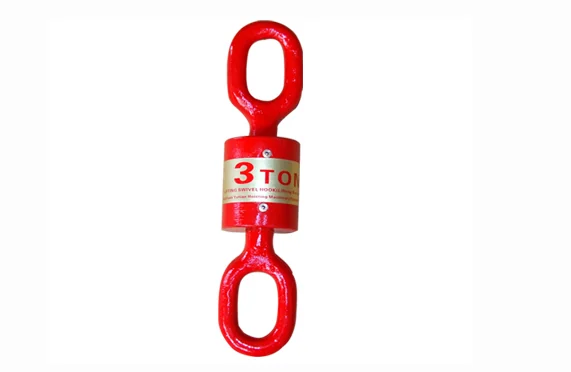
Eye, clevis, swivel, self-locking, grab and application-specific hook configurations.
- Multiple connection forms
- System-matched selection
- Finish and identification review
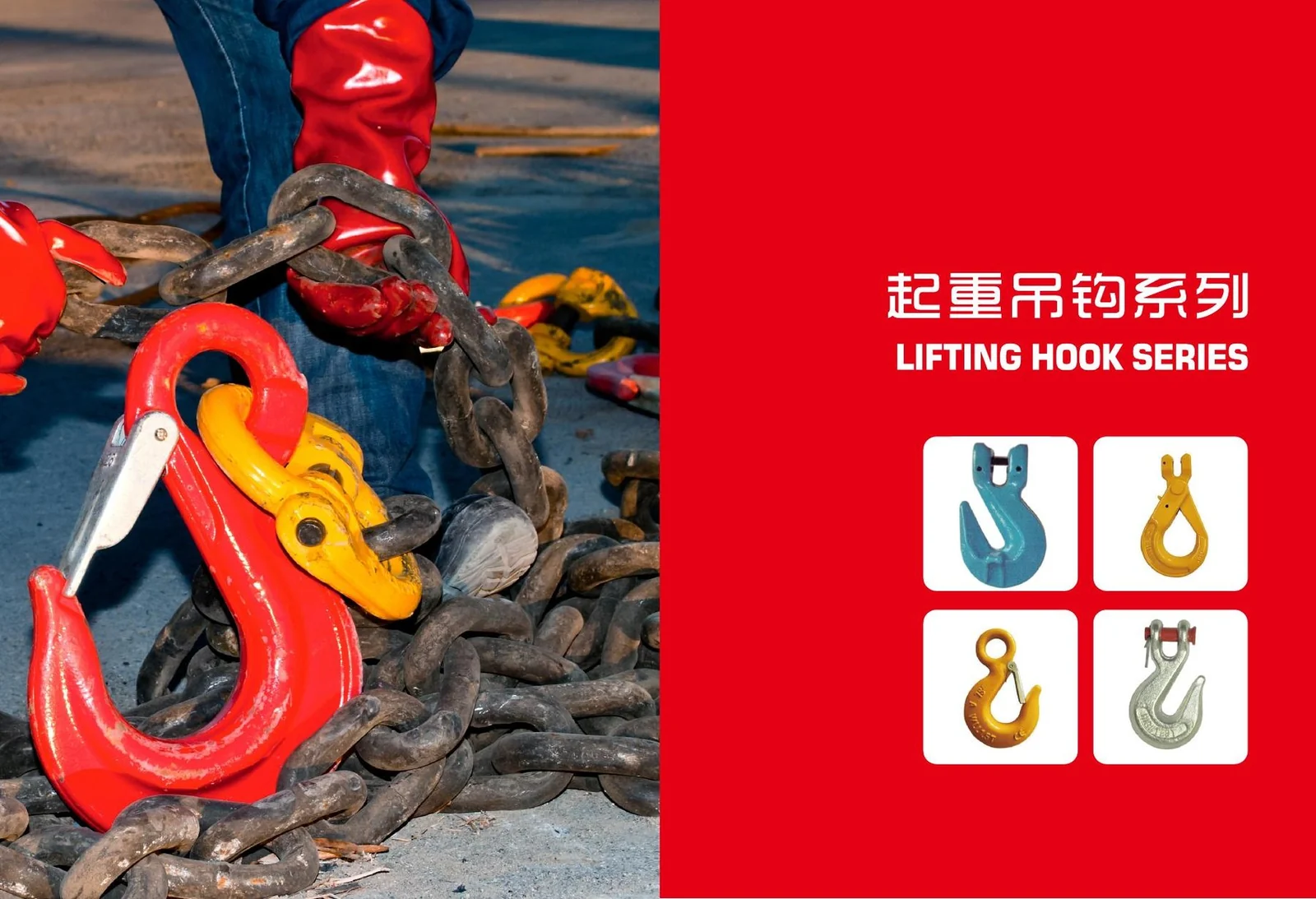
Review hooks, shackles, lifting rings, chains and connection components against the required load, assembly architecture and destination-market documentation.
Choose the hardware family first, then confirm grade, form, connection type, finish and the rated requirement for the complete assembly.
Eye, clevis, swivel, self-locking, grab and application-specific hook configurations.
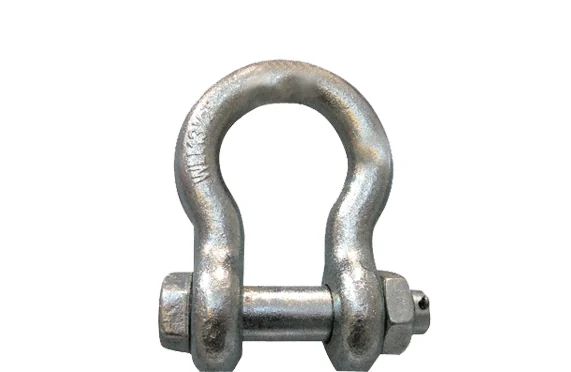
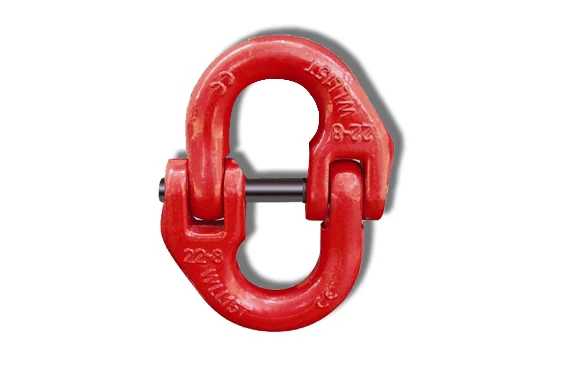
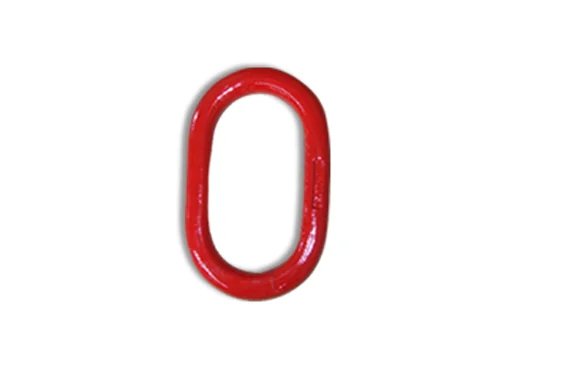
Bow and D shackles, lifting rings, master links and related connection components.
Lifting chains, load chains and matched hooks, links and connection hardware.
Send the intended application, working load requirement, connection points, preferred hardware form, quantity and destination market. JILI will review the requested combination before quotation.
| Selection field | Specification / ordering detail |
|---|---|
| Product families | Hooks, shackles, master links and connecting links |
| Size inputs | Pin diameter, bow/opening dimensions and mating component |
| Grade and rating | Specified by component; not interchangeable by appearance |
| Connection | Eye, clevis, swivel or pin arrangement as specified |
| Finish and marking | Confirm part identification and required finish |
| Documentation | Request the records applicable to the quoted component |
Rigging hardware connects the load, sling and lifting equipment. A hook, bow shackle or master link is not selected on appearance alone. Send the part reference, required rating and dimensions of the mating components. A pin must fit its connection, a hook must be suitable for the intended contact and a link must match the chain or sling arrangement.
A swivel hook and a lifting hoist ring do not automatically serve the same function. Rotation under load, side loading and other special conditions require confirmation for the particular component. A locking feature or latch does not change the rated capacity. The selected component and the complete rigging arrangement must remain within their documented use conditions.
Provide one line per part with the item type, size, quantity, finish and destination. Include photographs or drawings when replacing existing components. Ask for marking, traceability and applicable inspection documents for the actual supplied items. For assembled slings, specify the complete configuration so chain, hooks, links and shackles can be checked together. Samples, packaging and delivery timing are confirmed with the quotation.
A photograph can identify a product family. Add key dimensions, required rating and intended connection before the part is confirmed.
Do not assume this. Confirm the permitted rotation and loading conditions in the actual component documentation.
Use the component identification and rating, not size or appearance alone. Pin fit and loading arrangement also matter.
Send the configuration and delivery destination for a matched quotation. Quantity, packaging, documentation and delivery terms are confirmed with your offer.
Reference catalogues support product selection. JILI confirms the exact model and supplied documents with the quotation. Third-party certifications and performance claims are not transferred to JILI products.